Treaty of Lausanne Monument and Museum
Turkey
Following the victorious Turkish War of Independence fought against the Allied forces of British Empire, French Republic, Kingdom of Italy and Kingdom of Greece, who had occupied a great portion of Turkish mainland, the Treaty of Lausanne was signed in Lausanne, Switzerland on 24 July 1923.
This second peace treaty ended the conflict between the Turkish nationalists and the Allies, and also defined the borders of the modern Turkish Republic.
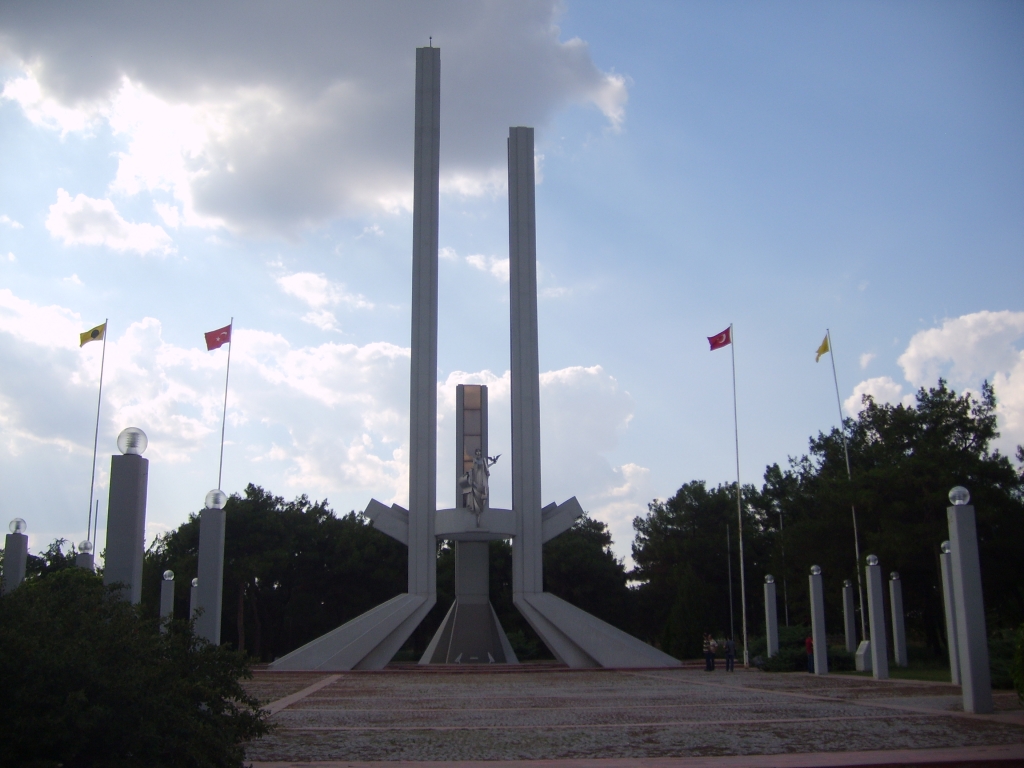
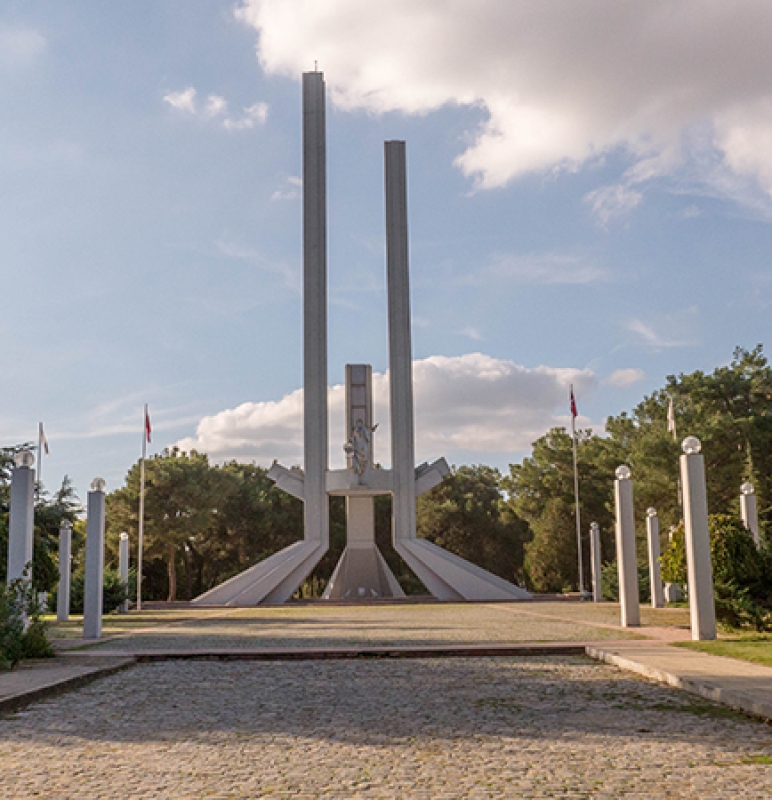
The monument consists of three concrete columns in different sizes, erected onto three separate concrete consoles, inclined at 45 degrees and standing on raft foundation. The longest column with 36.45 m height represents Anadolu (Anatolia) as the mainland of Turkey on Asia. The second column is 31.95 m tall and symbolizes Trakya (Thrace), the western part of Turkey on Europe. The third column, standing in the mid of the other two, represents Karaağaç with its 17.45 m height.
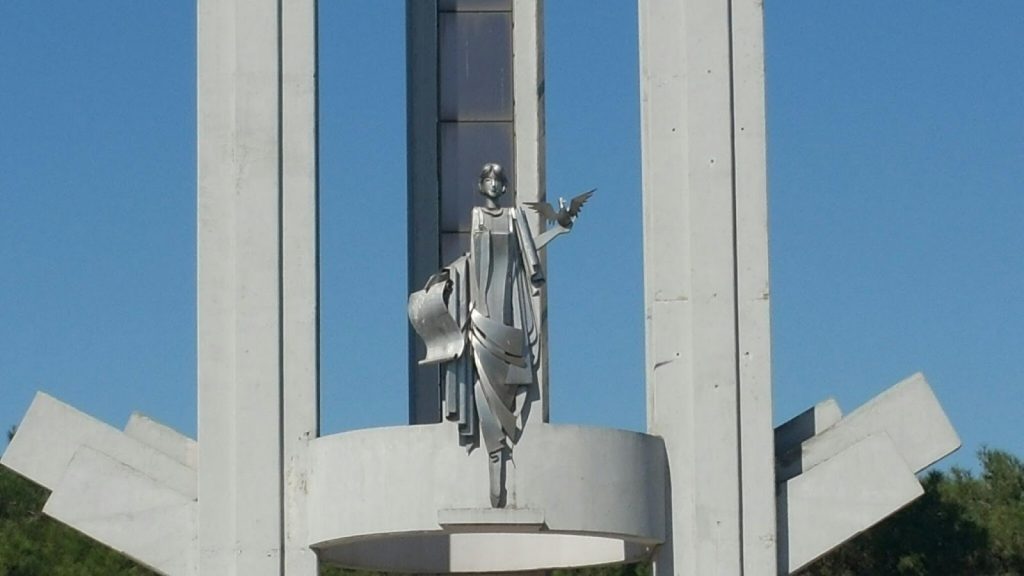
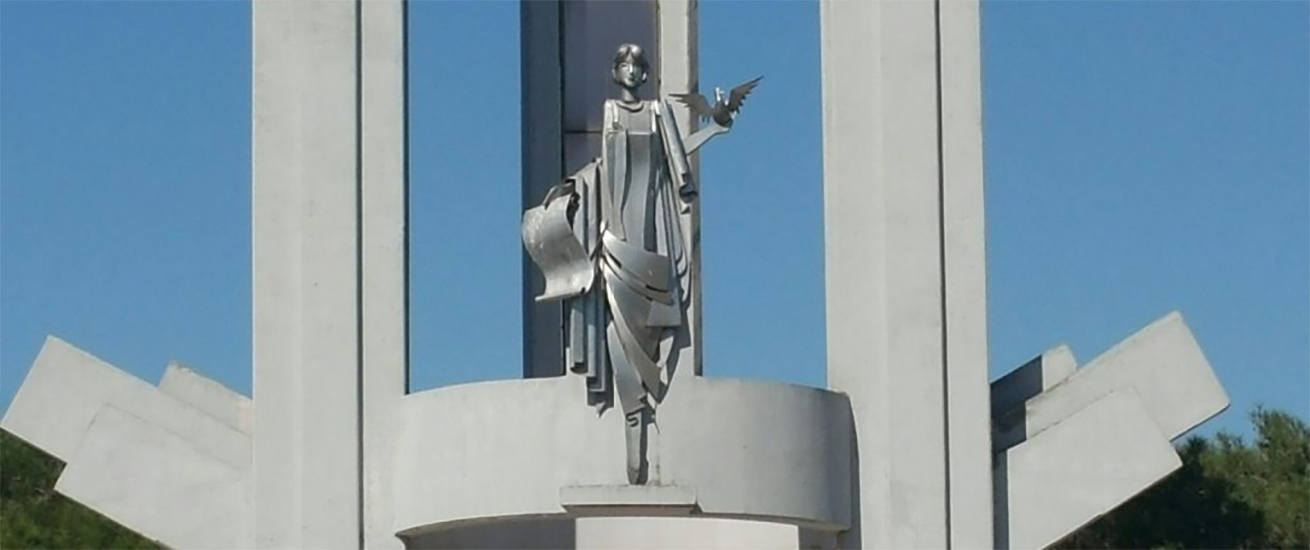
A concrete ring at 7.20 m height, which ties the columns, represents unity and solidarity. In front of the ring, a 4.20 m tall metal statue of a young woman represents aesthetics, grace and justice. The young woman figure holds a dove in her left hand symbolizing peace and democracy, and a document in the right hand, which stands for the Treaty of Lausanne. A semicircular pool with 15 m radius at the feet of the monument represents the seas around three sides of Turkey.